Origins & Roots
Salsa is more than a dance: it's a living, breathing celebration of Afro-Latino culture, resilience, and joy. Its roots stretch across the Caribbean, blending rhythms and movements from Cuba, Puerto Rico, and the vibrant immigrant communities of New York City.
Salsa's foundation lies in Cuban son, rumba, mambo, and cha-cha-cha, mixed with Puerto Rican bomba and plena. In the 1960s and 70s, New York became a melting pot where these styles fused with jazz, soul, and other influences, giving birth to the salsa we know today.
The heartbeat of salsa is Afro-Latino. African rhythms, percussion, and call-and-response vocals are at its core, reflecting the deep influence of the African diaspora in the Caribbean.
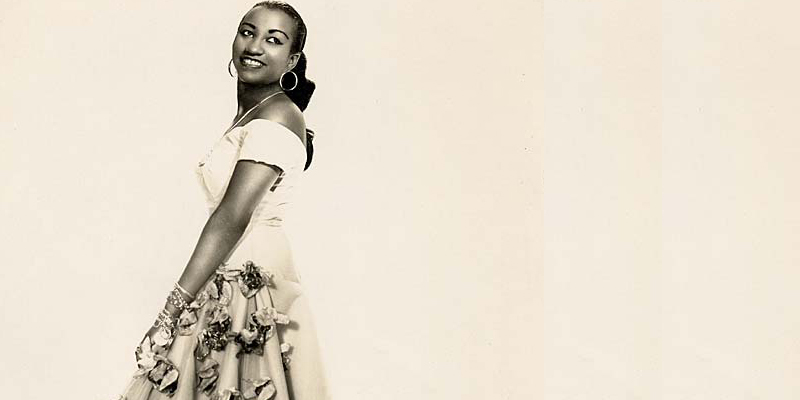
Celia Cruz: The Queen 
No salsa history is complete without Celia Cruz, the legendary Cuban singer known as the "Queen of Salsa." Her powerful voice, infectious energy, and iconic shout—¡Azúcar!—made her a global ambassador for salsa and Afro-Cuban music.
Cruz's music transcended borders, bringing the rhythms of Cuba to audiences worldwide. Her collaborations with artists like Tito Puente and Willie Colón helped popularize salsa in the 20th century.
Cruz's legacy continues to inspire new generations of musicians and dancers, reminding us of the power of music to unite and uplift.
Sound & Movement
Salsa music is a rich tapestry of rhythms and instruments. The clave, a two-note pattern, is the backbone of salsa's rhythm, guiding dancers and musicians alike. Brass sections, piano montunos, and bass lines create a vibrant soundscape that invites movement.
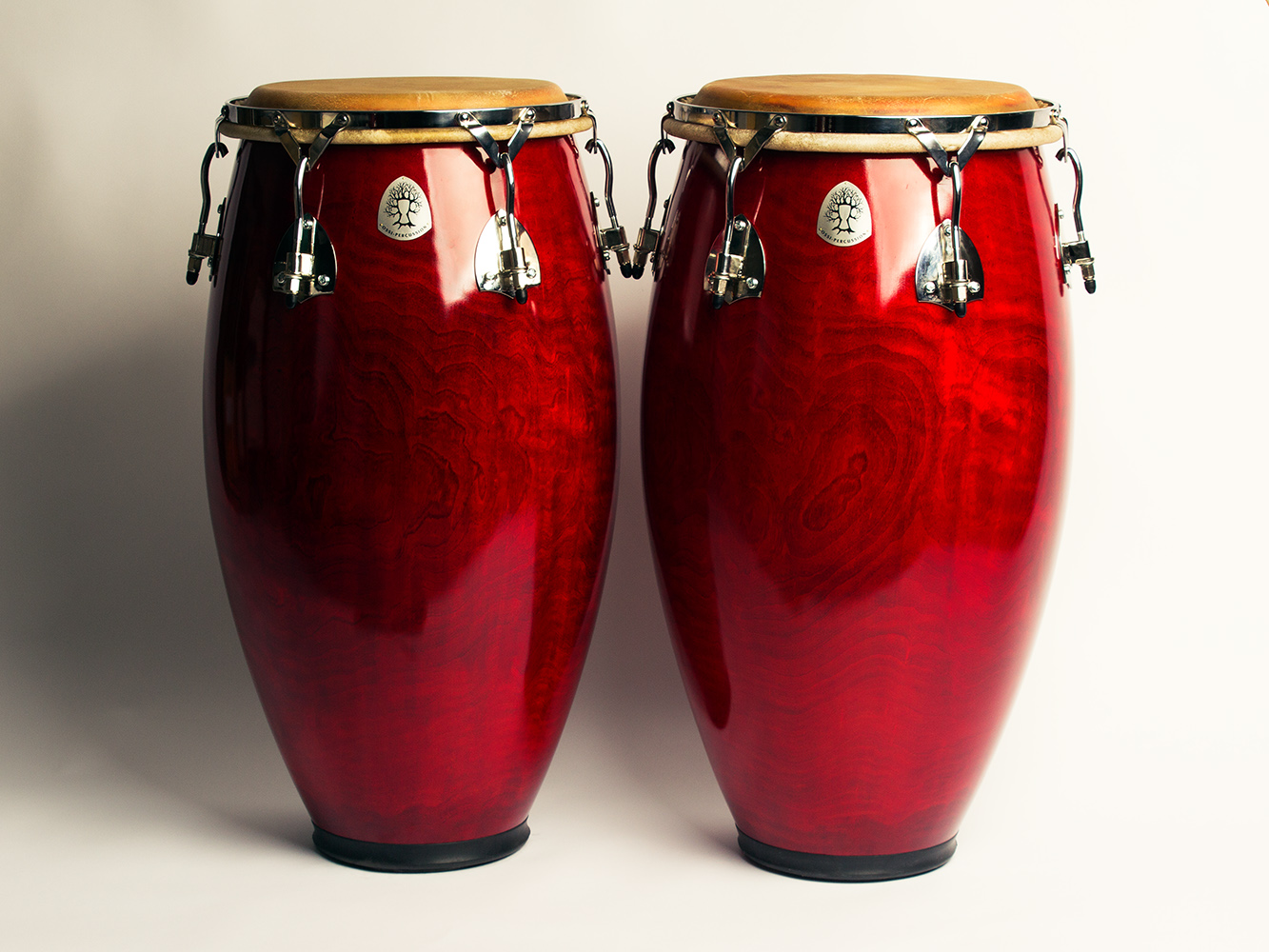
The conga drum is essential to salsa's rhythm, driving the music with its deep, resonant tones. Alongside timbales, bongos, and cowbell, the conga brings the pulse of Africa to every salsa song.
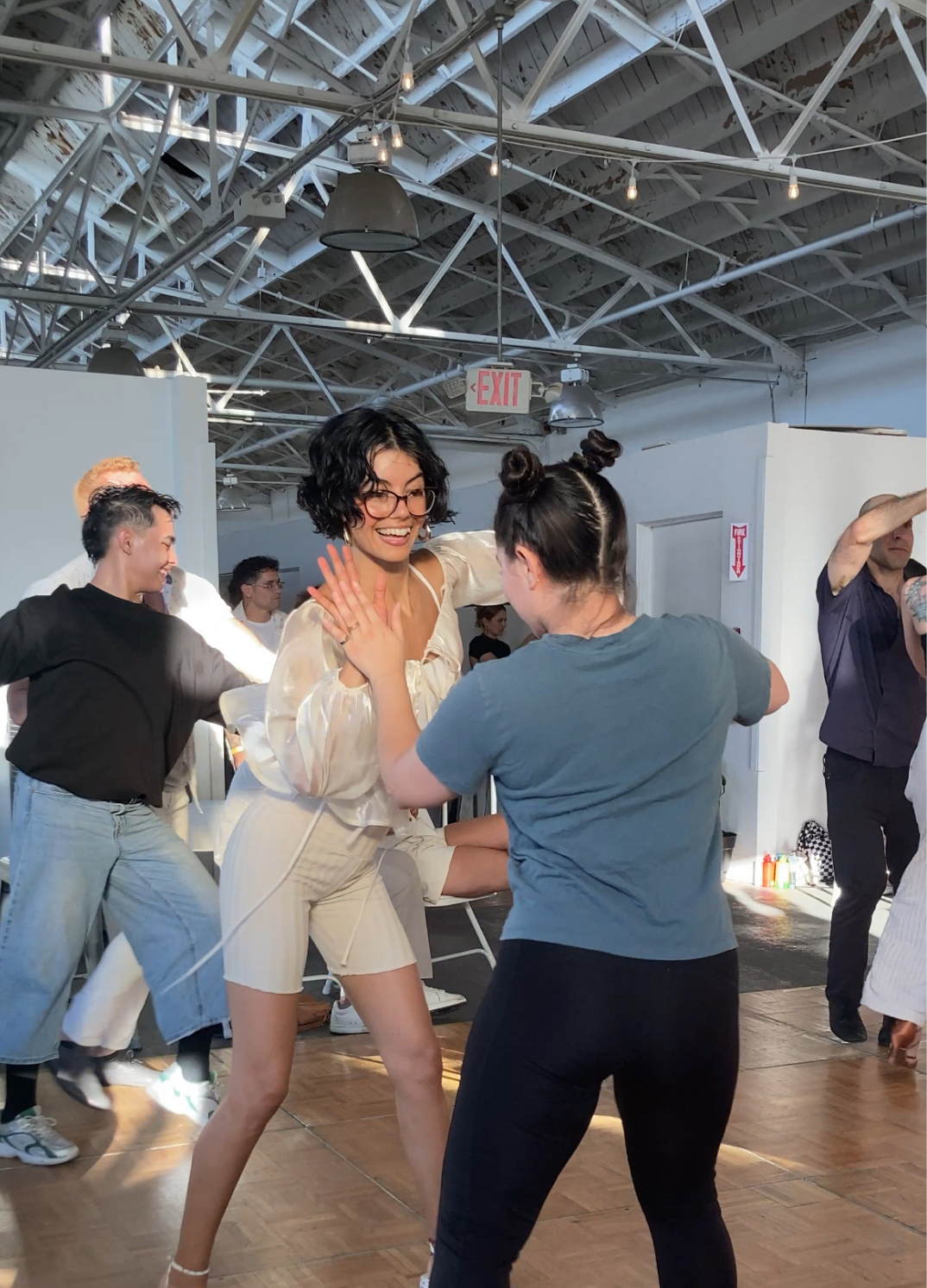
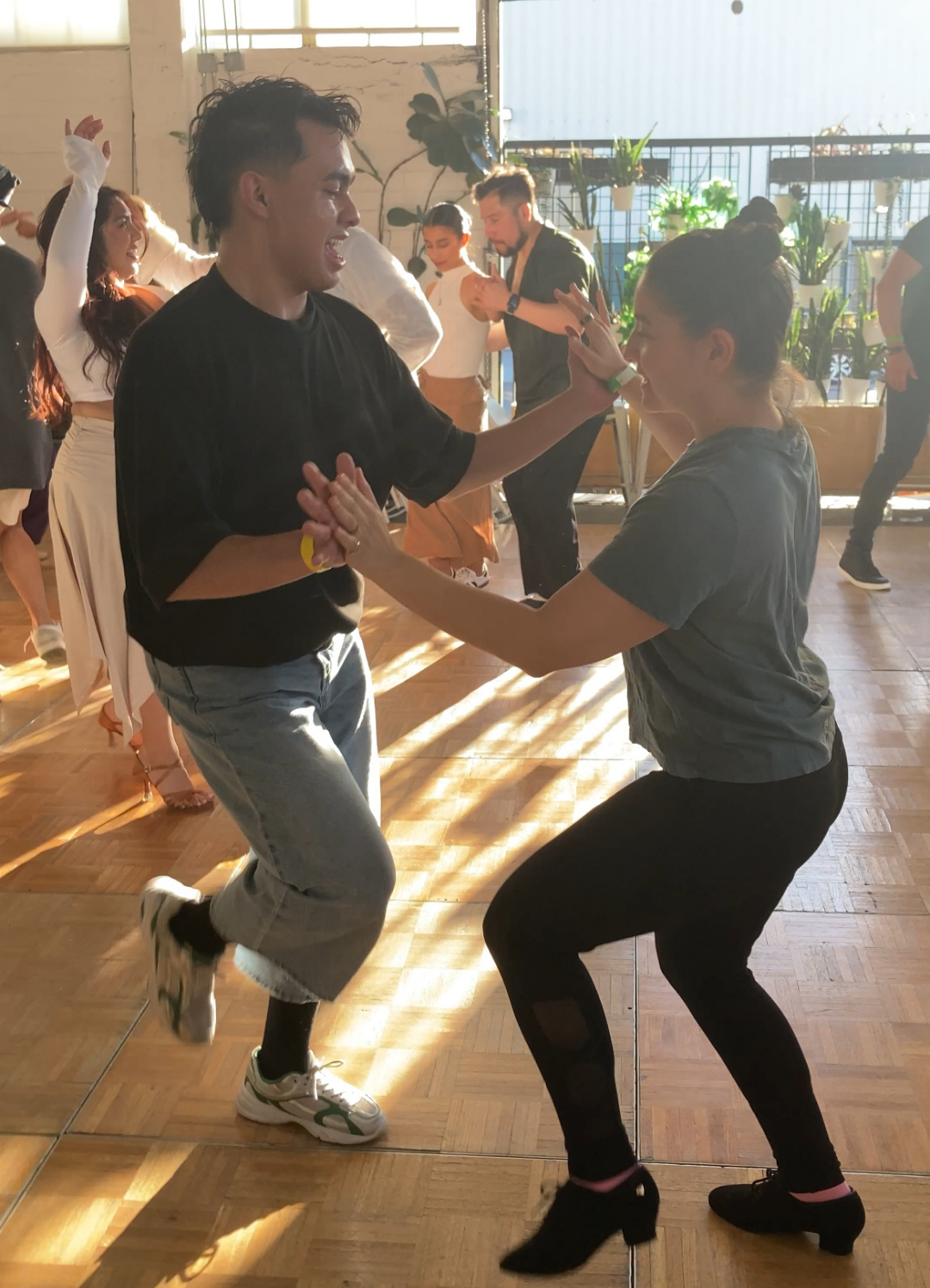
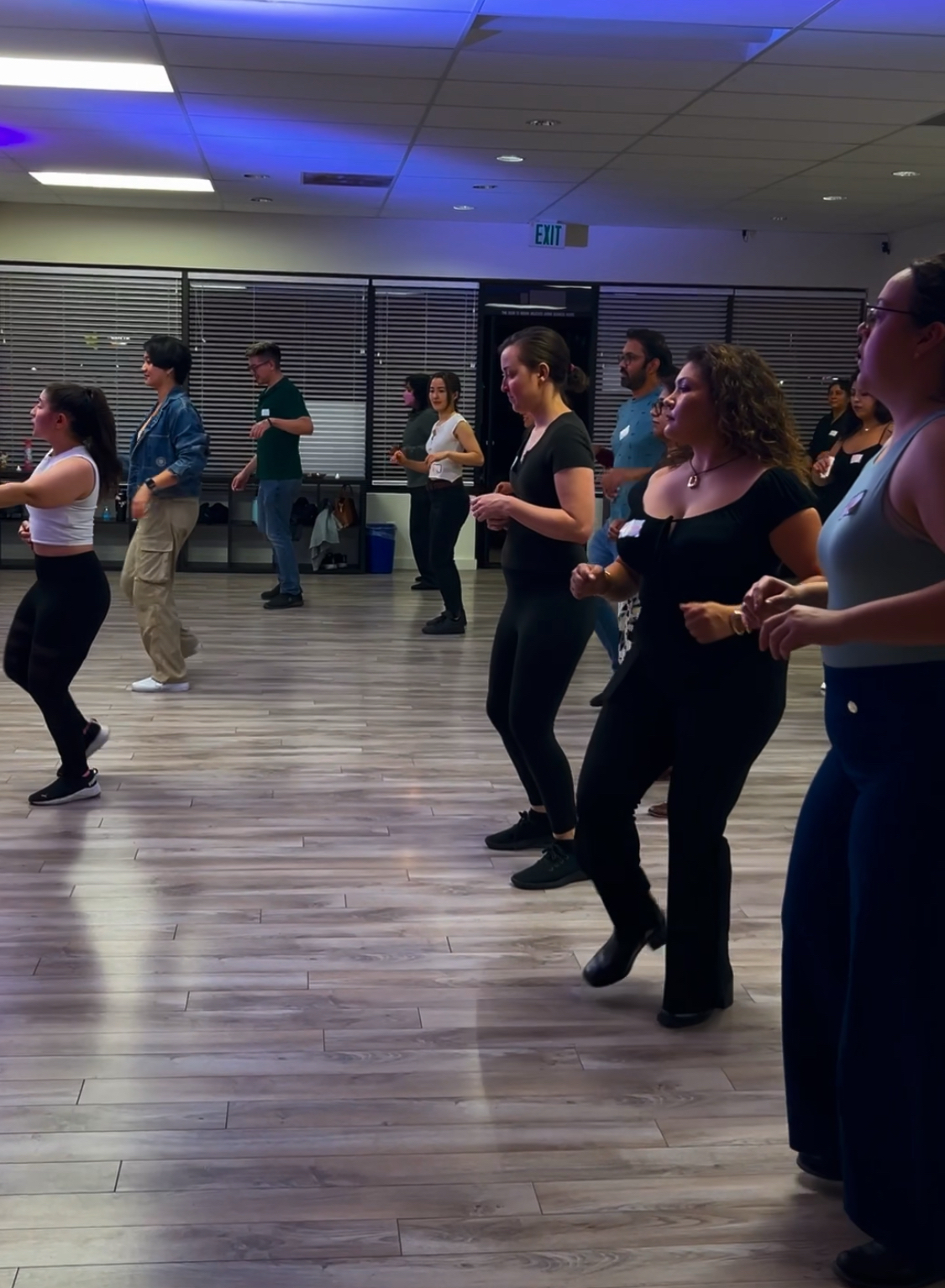
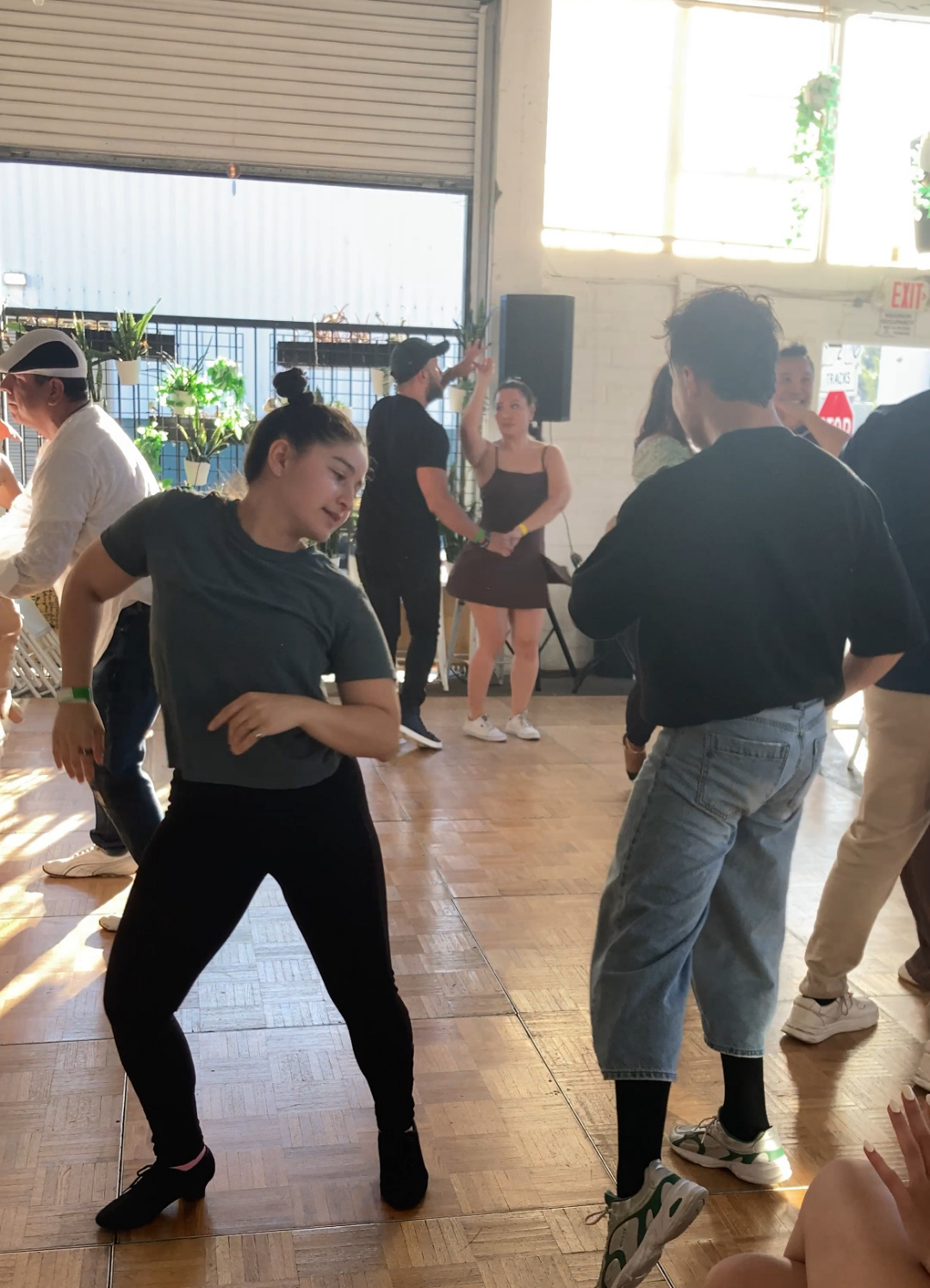
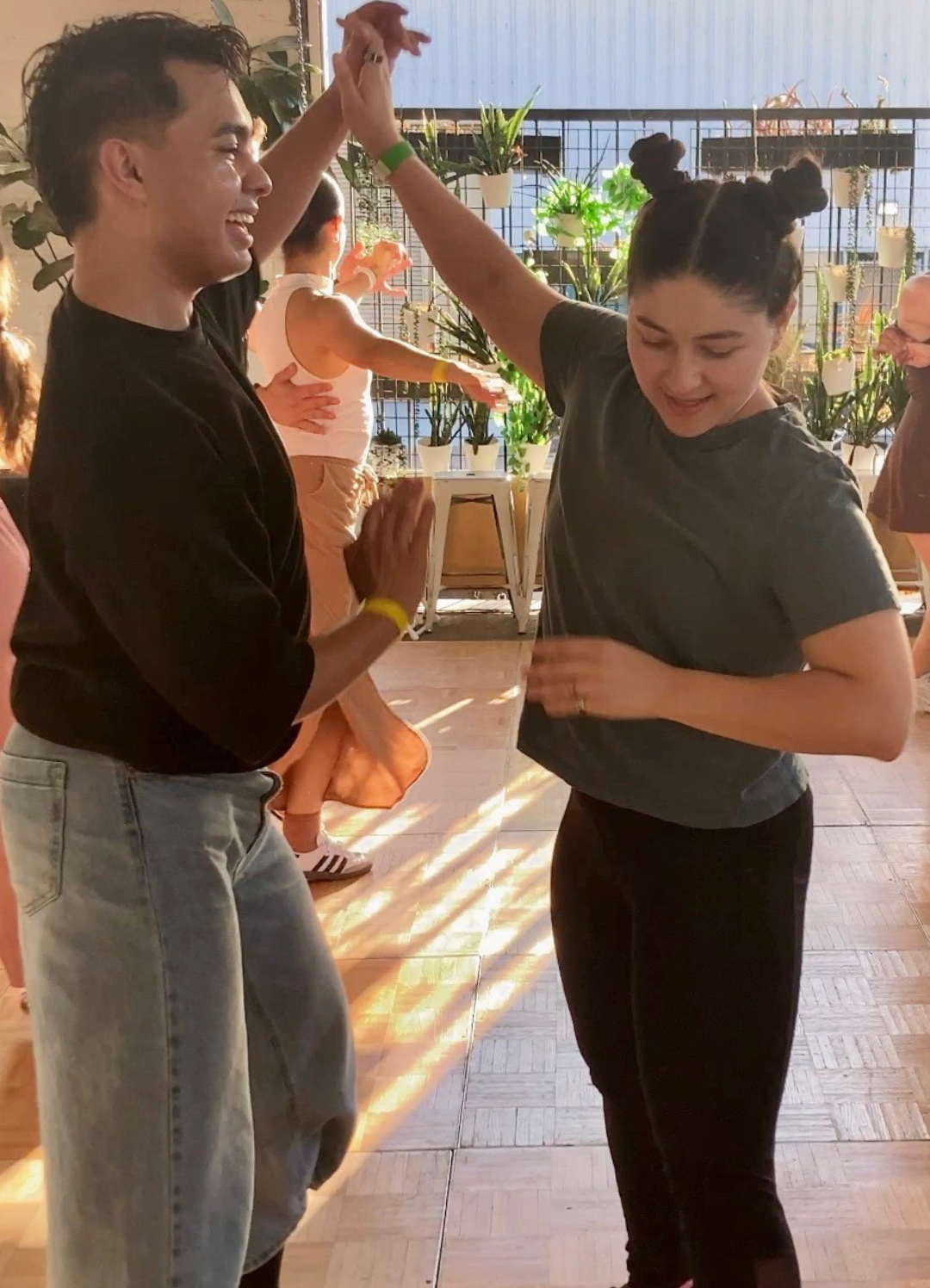
Salsa is a dance of improvisation, where dancers express themselves through movement, rhythm, and connection.